
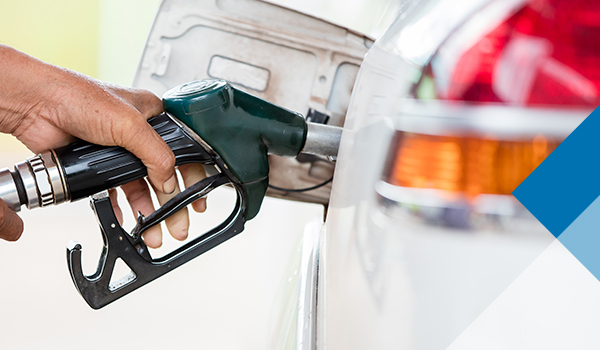
SARS has introduced a new registration process for the Diesel Refund Scheme. The new system separates Diesel Refund registration from the existing VAT registration process and requires participants to register specifically for the Diesel Refund tax type. The new Diesel Refund registration process became available to businesses from 21 September 2026. It is important, however, to understand what is changing — and what is not changing yet.
1. Completion of the VAT201 return:
Important: Only the registration process is changing for now!
Qualifying businesses must continue claiming their diesel refunds through their VAT201 returns until further notice. The introduction of the new registration system does not mean that diesel refund claims must immediately be submitted through a separate Diesel Refund return or dashboard. Businesses that qualify for diesel refunds should take particular care when preparing their VAT201 returns. Before starting to complete the VAT201, the return must first be refreshed on eFiling. This is important to ensure that the latest version of the VAT201, including the applicable diesel refund functionality, is loaded before any information is captured.
In practical terms:
Refresh the VAT201 first → then open and complete the return → continue claiming the diesel rebate through the VAT201 as usual. This process should continue until SARS advises that the diesel refund claiming process itself has changed.
2. Who needs to register on the new system?
Existing diesel refund participants will need to register on the new Diesel Refund system, take note being registered for diesel refunds under the current VAT-based process does not mean that the new registration can simply be ignored.
The new system provides for registration as either a:
- Diesel Refund User, or
- Diesel Seller.
An applicant cannot register as both a User and a Seller. A Diesel Refund User may, however, register under more than one qualifying industry category where applicable.
The qualifying industries include:
- Agriculture;
- Fishing;
- Mining on Land;
- Offshore Mining;
- Offshore Shipping;
- Harbour Shipping;
- Rail Freight Transport and
- Electricity Generation.
3. What should businesses do from 21 September 2026?
The registration process can broadly be summarised as follows:
- Ensure that the SARS profile is merged and validated.
- Log into SARS eFiling.
- Go to SARS Registered Details and select Maintain SARS Registered Details.
- Open the RAV01 – Registration, Amendments and Verification form.
- Go to the Diesel Refund section and add the new registration.
- Select whether the applicant is a Diesel Refund User or Diesel Seller.
- Select the applicable qualifying industry or industries.
- Complete the required business, activity, responsible-person and location details.
- Submit the registration application.
- Keep the SARS Case Reference Number issued after submission for future enquiries or tracking.
4. Supporting documents may be required
SARS may request supporting documentation to prove that the business qualifies for the Diesel Refund Scheme. The exact documents will depend on the type of activity being conducted. Where documents are requested, they can be uploaded through the SARS Correspondence / Request for Supporting Documents functionality on eFiling. Businesses should therefore have their relevant licences, authorisations and supporting information available before starting the application.
5. What happens after registration?
Once SARS has processed the application, an outcome letter should become available through SARS Correspondence on eFiling. After approval, the Diesel Refund tax type can be activated and the taxpayer will have access to the Diesel Refund Dashboard, where registration information, categories and related details can be viewed and maintained. SARS indicates a turnaround time of up to 21 business days for a Diesel Refund registration.
6. The key point to remember
From 21 September 2026, qualifying businesses should be able to start using the new Diesel Refund registration process. This does not yet change the way diesel refunds are claimed.
Conclusion:
- Ensure that the SARS profile is merged and validated;
- register under the new Diesel Refund system;
- continue submitting diesel refund claims through the VAT201;
- always refresh the VAT201 before starting to complete it, AND
- continue doing so until SARS provides further instructions on the claiming process.
For assistance with the new Diesel Refund registration process, VAT201 diesel refund claims, or related compliance requirements, businesses can contact Adri Britz via email at abritz@fhbc.co.za.
Source Reference:
1. https://www.sars.gov.za/customs-and-excise/excise/diesel-refund-system/
2. https://www.moneyweb.co.za/news/economy/diesel-refunds-set-to-exit-the-vat-system/
3. https://newcastillian.com/2026/09/21/sars-diesel-refund-changes-businesses/