Artificial intelligence is changing accounting faster than universities can update their curricula. The profession is experiencing its biggest skills shift in a generation with AI now doing much of the routine work.

Artificial intelligence is changing accounting faster than universities can update their curricula. The profession is experiencing its biggest skills shift in a generation with AI now doing much of the routine work.

As another year draws to a close, we would like to provide an overview of the most significant developments that shaped the auditing and accounting landscape in 2025, and suggestions on how small and medium-sized enterprises (SMEs) can position themselves for a well-prepared and successful 2026.
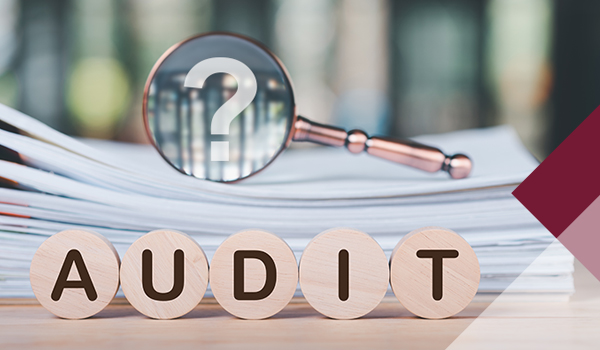
In the complex and ever-evolving landscape of financial compliance in South Africa, private companies often face questions around audit obligations. One of the most frequently asked is: “Do we need to be audited?” The answer depends on several factors.

As part of ongoing efforts to maintain transparency and accountability within the legal profession, South African law firms are once again reminded of their obligations regarding the audit of attorney trust accounts. These audits are not only a regulatory requirement but also serve a broader purpose, protecting the public and reinforcing the integrity of the legal profession.

If you're looking to kickstart your career in business, one of the most valuable opportunities to consider is a South African Institute of Chartered Accountants (SAICA) trainee contract. What exactly is a SAICA trainee contract, and why is it such a game-changer for aspiring professionals? Let’s dive into the details and explore how it can pave the way for your future success.

In a significant ruling that affects legal practitioners, the requirement for auditing attorneys' business accounts has been clarified by the courts.

In the complex landscape of international accounting standards, the International Financial Reporting Standards (IFRS) for Small and Medium-sized Entities (SMEs) provide tailored guidelines that acknowledge the unique challenges faced by smaller entities. One significant aspect of these standards is the exemption granted to SMEs regarding the consolidation of their ultimate holding company. Our article explores this topic further, focusing on the requirements under IFRS for SMEs and its implications within the South African accounting environment.

In the dynamic landscape of financial reporting, organizations strive to maintain transparency and credibility by engaging in various forms of assurance services. Two common methods employed are audits and independent reviews. Additionally, management plays a crucial role in the compilation of financial statements, contributing to the overall reliability of financial information.

Due to the Independent Regulatory Board for Auditors' (IRBA) withdrawal from the Regulation of the Broad-Based Black Economic Empowerment (B-BBEE) verification industry, BGR Wellington B-BBEE Verification Agency (Pty) Ltd, will only continue with certain services regarding BEE.